
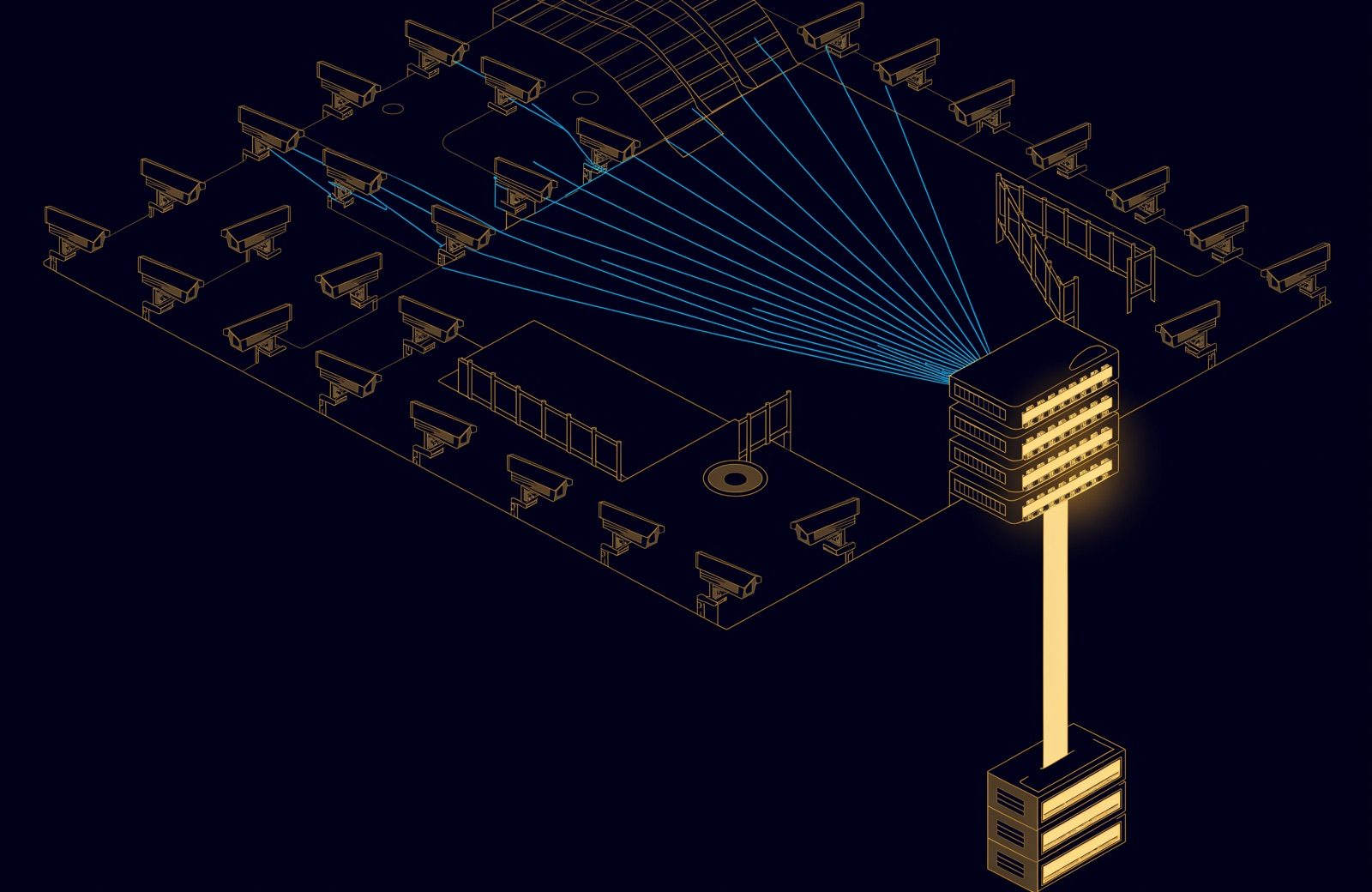
Physical security stopped being a separate discipline the moment the camera acquired an IP address. What has not caught up is the procurement: in most projects the CCTV system is still specified by a security consultant, installed by an ELV contractor, and then handed to an IT department that was not consulted and now owns the outage.
The technical problems that follow are all predictable, and all cheaper to solve on paper.
Bandwidth is not the number on the datasheet
A 4 MP camera at 15 fps with H.265 and a decent bitrate controller sits at around 4 Mbps looking at an empty corridor. The number that matters is what it does when something happens: motion across the whole frame, at night, with infra-red illumination and its attendant noise, on variable bitrate. Four megabits becomes twelve, and it becomes twelve on every camera in the same area at the same time, because whatever triggered one camera is visible to its neighbours.
Design to the peak, not the average. Our rule of thumb for a mixed 4 MP estate is:
- Sustained: 4 to 5 Mbps per camera.
- Incident peak: 3× sustained, on 30 % of the estate simultaneously.
- Access switch uplink: sized so that peak on every camera on that switch still leaves 40 % headroom.
A 24-camera access switch is therefore a 10 Gbps uplink question, not a 1 Gbps one. And that is before anyone opens a live view.
Live viewing is a different traffic pattern entirely
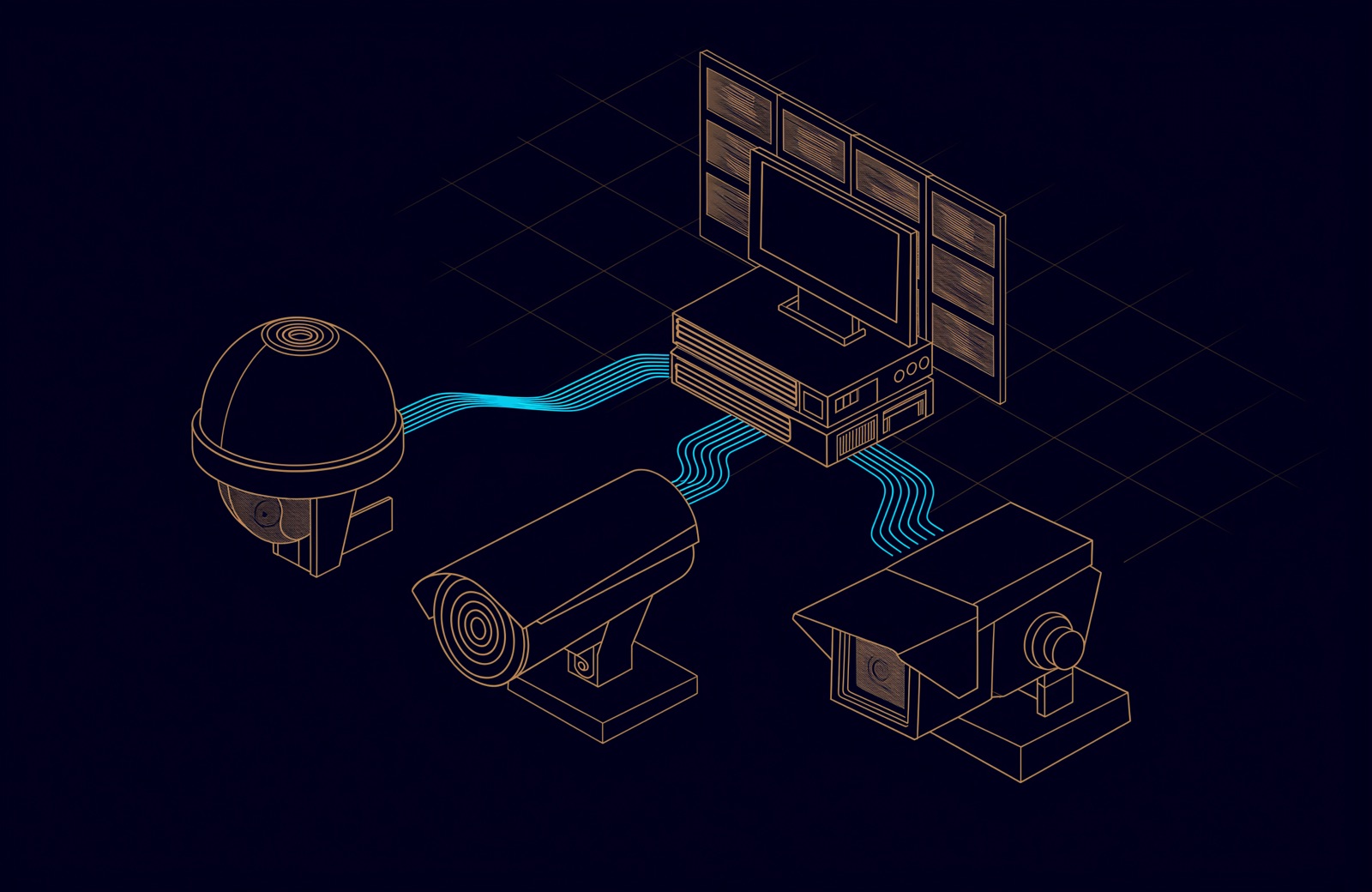
Recording is one unicast stream from each camera to the recorder. Live viewing is a second stream per camera per viewer. A control room with a 32-way video wall and two operators pulling their own views is not 32 streams; it is 32 plus whatever the operators are doing, and if the VMS is not configured to proxy through the recorder, every one of those streams comes from the camera itself and competes with the recording.
Two decisions follow. Configure the VMS to serve live views from the recorder rather than the camera wherever the platform supports it. And if you must multicast, do it properly: IGMP snooping on every switch in the path and a querier that is actually elected, or you will flood the camera VLAN and discover it during an incident.
Segmentation, and what it is actually for
Putting cameras on their own VLAN is not a security measure by itself; it is what makes the rest of the security measures possible. The camera VLAN should have:
- No route to the internet. Firmware comes from the VMS or from a staged internal repository, not from the vendor cloud.
- No route to the user VLAN. The only permitted flows are camera to recorder, recorder to VMS clients, and NTP.
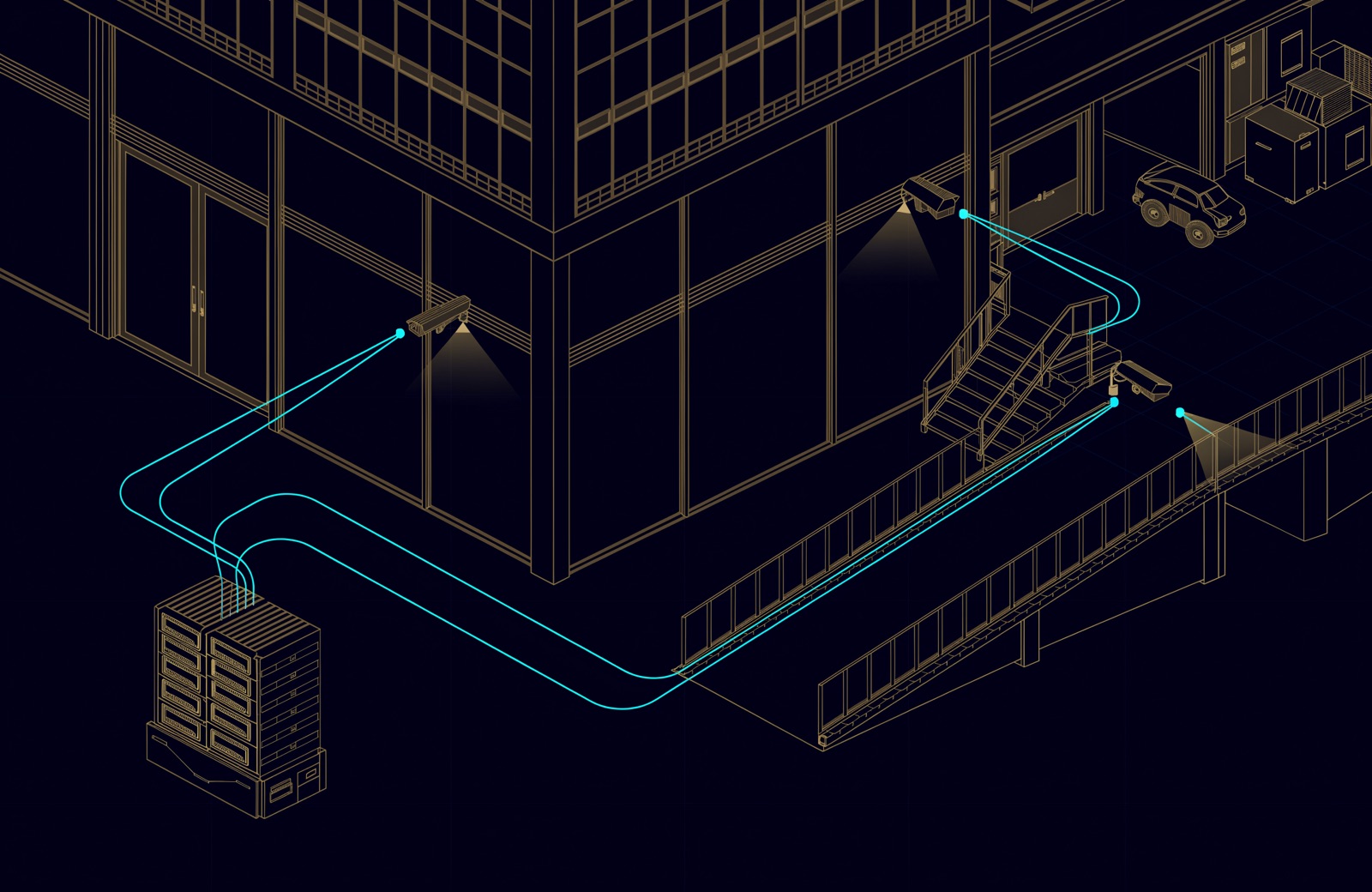
- Port security or 802.1X on the access ports, because an external camera on a car-park pole is an unattended Ethernet socket in a public space. Unplugging the camera and plugging in a laptop should get you nothing.
- DHCP with reservations rather than static addressing, so a camera swap is a five-minute job and the address plan stays in one place.
PoE: read the class, not the wattage
A camera datasheet quoting 12.9 W is quoting a steady state at room temperature. The same camera with the heater on, the IR array at full output and the motor running a preset tour is a Type 3 load, and it draws it in the coldest, wettest hour of the year when every other camera on the switch is doing the same.
Size the PoE budget on class, per switch, at 100 % simultaneous demand. Then check the switch specification for per-port and total budget separately. A 48-port switch rated for 740 W total cannot deliver 30 W to 48 ports, and the ports that lose the argument are the ones that reboot in a loop.
Storage: retention is a policy decision with a price tag
Retention is usually set by the authority having jurisdiction over the site, and it is the single biggest cost driver in the system. The arithmetic is simple and worth doing in front of the client before anything is ordered:
- Cameras × sustained Mbps × 86,400 ÷ 8 = GB per day.
- × retention days × 1.15 (indexing, metadata, filesystem overhead).
- ÷ 0.8, because a recording array above 80 % full is an array with a performance problem.
Then decide the RAID level honestly. RAID 5 on 16 TB drives has a rebuild window measured in days, and a second failure during that window is not a theoretical risk on a shelf of drives bought in the same batch. RAID 6 or a distributed erasure-coded pool is the correct answer for anything the client would be embarrassed to lose.
The two settings that decide whether the footage is any use
Everything above is about the system working. These two are about the footage being worth something afterwards.
Time. Every camera, every recorder and every server takes NTP from the same internal source, and that source is disciplined and monitored. Footage from two cameras with a nine-second offset does not tell a coherent story, and an investigator will notice before you do.
Integrity and access. Export must be to a signed, checksummed container with an audit record of who exported what and when. If a system cannot prove that a clip was not edited between the recorder and the meeting room, the clip is a talking point rather than evidence.
What convergence actually means in a handover
Convergence is not a product on a bill of quantities. It is a set of decisions made before procurement, and written into the specification:
- One party owns the network the cameras live on, and that party is in the room when the camera count changes.
- The IP address plan, the VLAN plan and the QoS marking are issued by that party, not invented on site.
- The as-built pack contains the camera schedule, the switch port map, the PoE budget calculation and the retention calculation, in the same document set as the cable test results.
- There is one escalation path. When a camera is offline, nobody should have to establish whether it is a security fault or a network fault before someone starts work.
That last point is the whole argument. The failure mode of a split responsibility is not a technical one; it is the forty minutes at the start of every incident spent deciding whose problem it is.
Comments
Questions and experience from readers. A person reads every comment before it appears.
No comments yet. If something here does not match what you have seen on site, say so.